


Complex Dental Restoration
4-Quadrant Restoration in Berlin MitteMore than just dental restoration. A masterpiece.
Worn teeth, a misaligned bite, old dental restorations: We’ll completely redesign your dentition—with medical expertise and technical excellence.
At our practice on Friedrichstraße, we combine functional diagnostics, bite adjustment, implantology, and all-ceramic dental restorations from a master dental laboratory in Berlin.
35+ years of experience
4.8 stars on Google
jameda rating: 1.4






For whom is a 4-quadrant renovation a good option?
In a 4-quadrant restoration, the entire dentition is viewed holistically and treated comprehensively in all four quadrants of the jaw—often in combination with a bite elevation and all-ceramic dental prostheses.
It is an option when both aesthetics and bite function are compromised. Typical situations:
- Worn Teeth Due to Teeth Grinding or Clenching
- Tooth Enamel Loss Caused by Acidic Beverages
- Underbite with Jaw or Muscle Problems
- Old or discolored fillings, ill-fitting dentures, untreated gaps
- A Dissonant Red-and-White Aesthetic of Teeth and Gums

In a nutshell
What is a bite lift—and when is it necessary?

A bite elevation restores the original bite height when teeth have become shorter due to wear, grinding, acid erosion, or tooth loss. It is recommended when the lowered bite puts strain on the temporomandibular joint, masticatory muscles, or aesthetics—for example, by causing tension, headaches, back pain, or a changed facial profile.
We determine whether a bite adjustment is necessary through a thorough functional evaluation. Only once the temporomandibular joints and muscles are stable will the new bite height be permanently established using all-ceramic restorations.
Why Teeth Wear Down Prematurely
By middle age, your permanent teeth have already been in use for 40 to 50 years. Certain habits and circumstances significantly accelerate wear and tear.
Bruxism
Stress-related crunching
Grinding and clenching reduce bite height and cause tension in the masticatory muscles. When worn early enough, a mouthguard helps prevent further tooth wear.
Erosion
Acidic Beverages
Cola, soft drinks, as well as apple cider vinegar and lemon juice, leach calcium from tooth enamel and make it porous.
Incorrect load
Malocclusion or jaw misalignment
Uncorrected misalignments place greater stress on individual teeth during chewing. In some cases, orthodontic treatment is advisable beforehand.
Postponed
Fear of the dentist
People who put off treatment for a long time often end up with several issues to address at once. We take our time and plan step by step.
Here's How a 4-Quadrant Renovation Works
The steps and duration vary from person to person. We offer all necessary services under one roof, supplemented by external specialists as needed.
Diagnostics
Clinical examination, brief CMD assessment, digital imaging, low-radiation 3D X-rays (DVT) as needed, and evaluation of the periodontium.
Planning with a Mock-up
We'll discuss your goals and the treatment plan. A mock-up will show you what your new smile will look like before any teeth are prepared.
Documentation
The initial condition is documented using photos, models, or digital scans.
Pre-treatment
Depending on the findings, treatments may include cavity treatment, root canal therapy, periodontal therapy, professional teeth cleaning, splint therapy, and long-term temporary restorations to test the new bite for three to six months.
Implants and Bone Grafting
If necessary, implants, bone block augmentation, and soft tissue management—in complex cases, in collaboration with Prof. Dr. Fouad Khoury.
Permanent Dentures
You will receive your final all-ceramic dental prosthesis, manufactured in Berlin Mitte.
Conclusion and Recall
Final photos document the results. A personalized follow-up appointment ensures long-term success.
A Better Quality of Life Thanks to Healthy Teeth
A workshop dedicated to achieving aesthetic and sustainable results
A 4-quadrant restoration restores both function and aesthetics. The goal is a bite that relieves pressure on the temporomandibular joints and muscles, and a smile that complements your face.
The treatment is complex and represents an investment in your quality of life. We will discuss the costs and what the process entails transparently and in detail before you make your decision.

Example of a bite correction using all-ceramic restorations
Comprehensive treatment of the upper and lower jaws by Prof. Dr. Andreas Olze and his team.
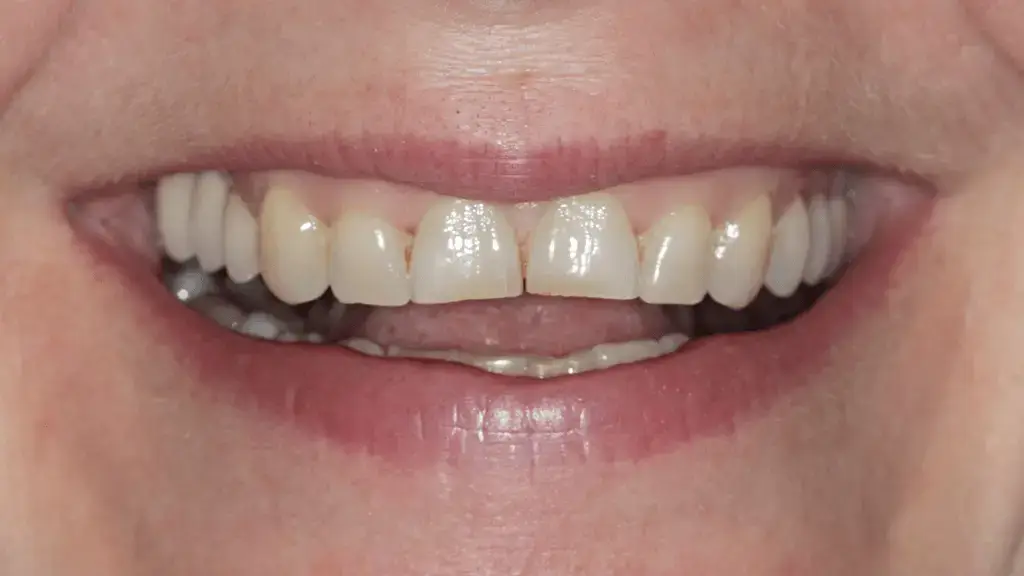
Before: Worn front teeth, sunken bite
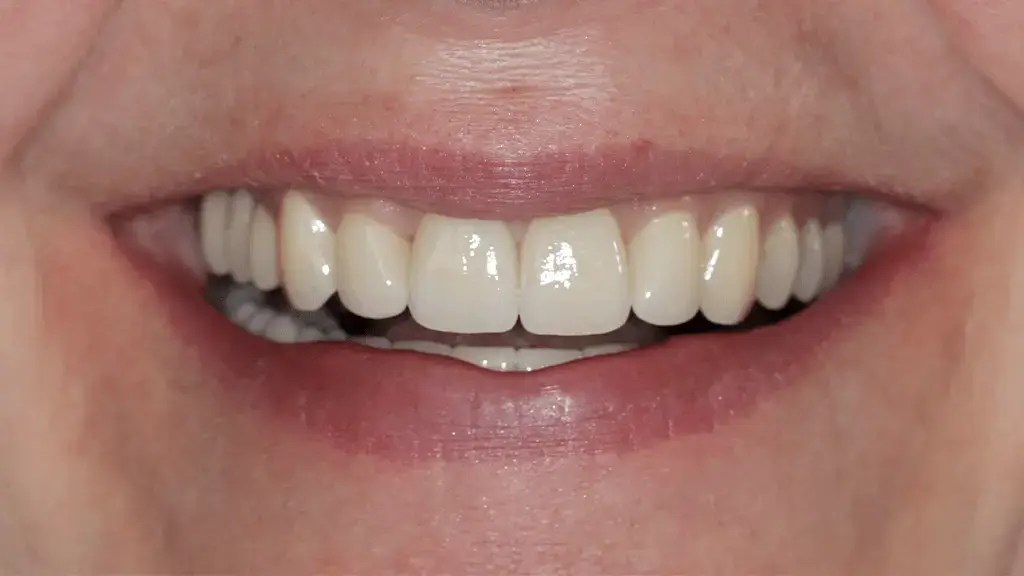
After: All-ceramic dental restorations
A treatment example from our practice. Results vary from person to person and depend on the initial condition.
In a nutshell
How long does a 4-quadrant renovation take?
Typically several months. The trial phase alone, involving fixed long-term temporary restorations, usually lasts three to six months. Depending on the findings, preparatory treatments may be required, and in the case of implants and bone grafting, additional healing time is needed.
Throughout the entire process, you will wear secure, aesthetically pleasing temporary restorations. You will be able to smile, speak, and eat almost normally. You will receive a realistic timeline along with your treatment and cost plan after your diagnostic evaluation.
How much does a 4-quadrant renovation cost?
It is not possible to provide flat-rate estimates because every restoration is different. After the diagnostic evaluation, you will receive a detailed treatment plan and cost estimate covering the entire treatment period.
Composition
How the Costs Are Breakdown
- Dentist's fee
- Cost of Materials
- Laboratory costs
Health Insurance
What Health Insurance Covers
Statutory health insurance plans pay fixed subsidies as part of standard care. Examples of services that are partially or fully covered by private insurance include:
- Mechanically and Microscopically Assisted Root Canal Treatments
- Functional Diagnostics and Therapy for TMD
- Fixed Dental Prosthetics on Implants
- High-Quality Ceramics and Laboratory Services
Financing
Payment in installments is available
Access to quality care should not be limited by financial constraints. Through our external billing center, we offer financing options and installment plans.
Depending on the plan, supplemental dental insurance may cover all or most of the costs.
Get to Know Our Practice
Complex Renovations from a Single Source
Diagnostics, functional therapy, implantology, and prosthetics all work together under one roof at our practice. Watch the video to learn more about our practice and team.
Our Practice in a Video
The video from YouTube will not load until you click on it; doing so may result in data being transmitted to Google. For more information, see the Privacy Policy.
Who is treating you?
Prosthetics, Function, and Bone Regeneration as a Team
Prof. Dr. Andreas Olze plans and oversees comprehensive restorations, drawing on 35 years of experience in prosthodontics. Dr. Juliane Jager complements his work with a focus on all-ceramic restorations as well as functional therapy and splint therapy. Prof. Dr. Fouad Khoury has been performing complex bone grafting surgeries regularly at our practice for over ten years.
Director of Dental Services
Prof. Dr. med. dent. Andreas Olze
View ResumeDentist
Karsten Wittig, D.D.S.
View ResumeDentist
Dr. med. dent. Juliane Jager MSc.
View ResumeDentist
Dentist Sarah Hinkel
View ResumeDentist
Moritz Weiler, Reporter
View ResumeBone Regeneration Specialist
Prof. Dr. med. dent. Fouad Khoury
View ResumePatient Testimonials
Trust is built through experience
You can also find independent reviews on Jameda.
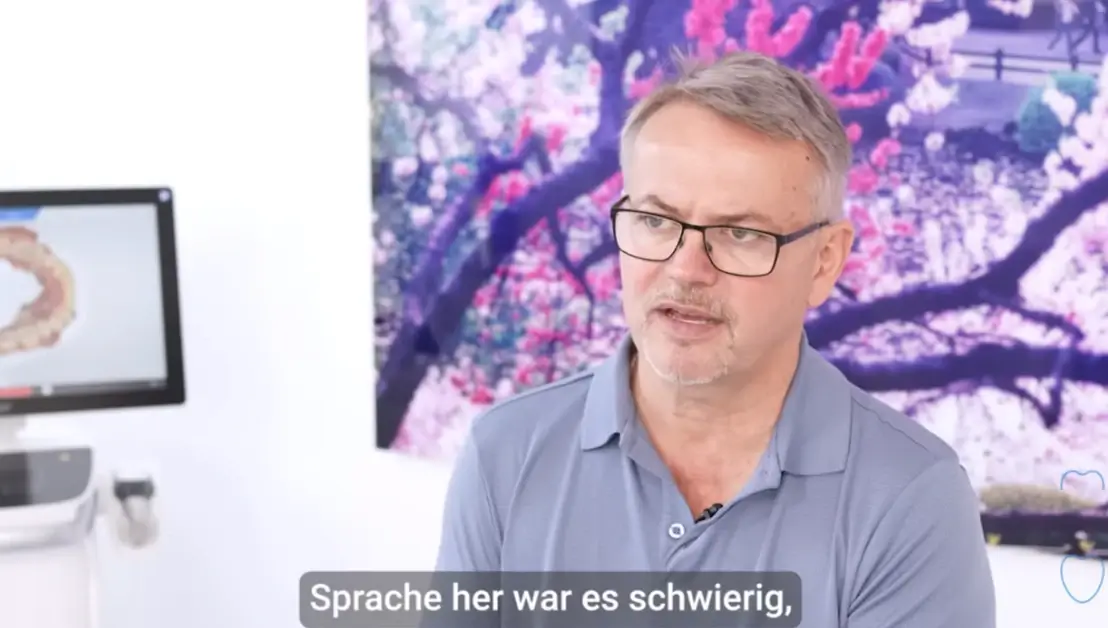
Patient Testimonial: Olaf, 56 years old
The video from YouTube will not load until you click on it; doing so may result in data being transmitted to Google. For more information, see the Privacy Policy.
Finally a dentist who doesn't wave goodbye - but provides solutions.
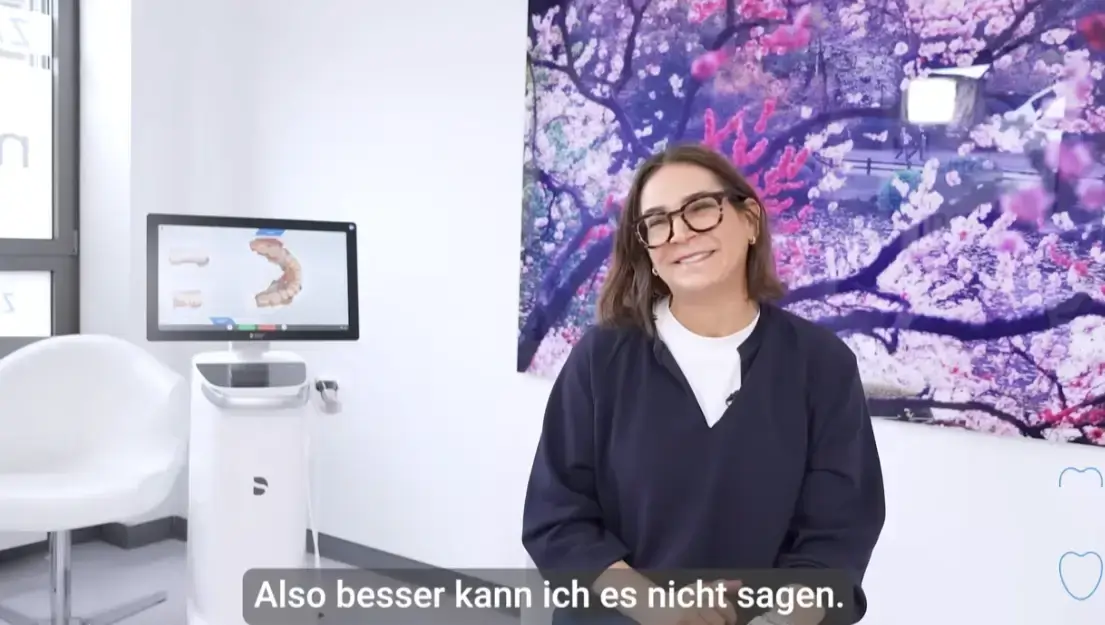
Patient Testimonial: Sarah from Berlin
The video from YouTube will not load until you click on it; doing so may result in data being transmitted to Google. For more information, see the Privacy Policy.
Challenging and complicated? He's got this when it comes to teeth!
Frequently Asked Questions About 4-Quadrant Remediation
Can't find your question here? We'd be happy to answer it personally.
What is a 4-quadrant renovation?
A comprehensive treatment in which all four quadrants of the jaw are planned and treated together—often in conjunction with a bite elevation. It is an option for severely damaged or worn teeth, for example, due to biocorrosion or stress-related teeth grinding.
Does a CMD need to be treated before bite correction?
Yes. Craniomandibular dysfunction often occurs in conjunction with a lowered bite and is diagnosed and treated before the bite is raised, usually with splint therapy to level the bite.
What role does bone grafting play?
In cases of extensive tooth loss, bone grafting is often necessary to provide a stable foundation for dental implants. For complex cases, we collaborate with Prof. Dr. Fouad Khoury, who prefers to use the patient’s own bone for grafting.
Can I see the result beforehand?
Yes. We use a mock-up to simulate the new dental arches before preparing any teeth. Afterward, you’ll test the new bite with long-term temporary restorations in your daily life.
Who will be there to support me throughout my treatment?
A dedicated point of contact will guide you through every step of the process, from diagnosis to follow-up care. This ensures that you can easily follow the plan at all times.
Is financing available?
Yes. Through our external billing center, we offer financing or payment plans. Depending on the plan, supplemental dental insurance may cover a large portion of the costs.
Contact & Directions
You can find us here
Address
Friedrichstraße 186,
, 10117 Berlin
U Stadtmitte (U2, U6)
U Hausvogteiplatz (U2)
Opening hours
Mon–Thu 8:00 a.m.–8:00 p.m.
Fri 8:00 a.m.–6:00 p.m.
Telephone
Acute pain outside of office hours? Dental emergency service: 030 – 89004-333 or www.kzv-berlin.de


