


Home › Professional Articles › Holistic Dentistry
Holistic Dentistry
Holistic Dentistry: Why Teeth, the Jaw, and Overall Health Are Interconnected
How a holistic and synoptic approach to dentistry can contribute to long-term dental health, stable chewing function, and a natural smile.
Prepared with special consideration of current AWMF guidelines on periodontitis, diabetes, caries prevention, and functional diagnostics— see sources


Key Points at a Glance
- Teeth, gums, jawbones, temporomandibular joints, and masticatory muscles form an interconnected system—systemic diseases, diet, stress, and medications all play a role.
- Holistic dentistry doesn't just ask how a tooth can be repaired, but why the problem arose in the first place.
- Synoptic dentistry integrates all findings into a coordinated treatment plan with a logical sequence of treatments.
- For example, the interaction between diabetes and periodontitis is well documented[2]. Methods without a scientific basis are not included.
Teeth are much more than just tools for chewing. They are part of a complex biological system in which teeth, gums, jawbones, temporomandibular joints, and masticatory muscles work closely together. General health factors such as metabolic disorders, diet, stress, and certain medications can also affect oral health.
Modern dentistry is therefore increasingly moving beyond the isolated treatment of individual teeth. The focus is no longer solely on how to repair a damaged tooth or close a gap between teeth. Rather, the key questions are why a problem arose, which other structures are affected, and how the health and function of the entire masticatory system can be maintained in the long term.
This is where holistic dentistry comes into play. Combined with a comprehensive treatment plan, this results in a treatment approach that integrates biological health, function, aesthetics, and the individual patient’s needs.
But what exactly does “holistic dentistry” mean? What is meant by “synoptic dentistry”? And what specific benefits does it offer patients?
What does "holistic dentistry" mean?
In short, holisticdentistry does not view oral health in isolation, but rather as an integral part of overall health. It takes into account both local conditions in the oral cavity and potential interactions with the entire body.
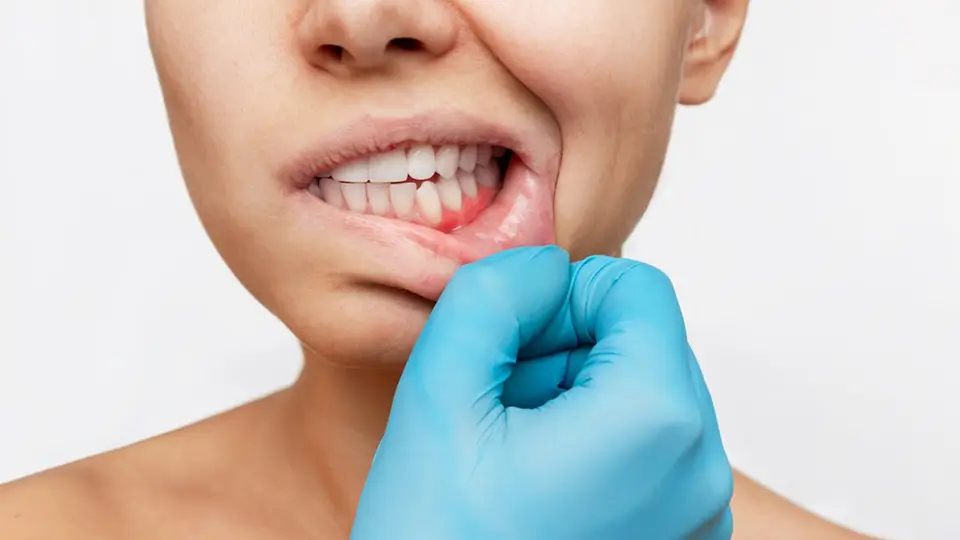
This means, for example, that gum inflammation is not viewed solely as a local problem. Risk factors such as diabetes, smoking, certain medications, dietary habits, and the individual’s immune response can also play a role in the development and progression of periodontitis.
Similarly, systemic diseases can affect dental treatment. In patients with diabetes, for example, there is a scientifically proven link between metabolic control and periodontal health[2].
This holistic approach encompasses, in particular,
- Dental Health: Tooth decay, loss of tooth structure, leaky fillings, and the preservation of natural teeth.
- Gums and Periodontal Tissue: Gingivitis, Periodontitis, and the Stability of the Periodontal Tissue.
- Temporomandibular joints and masticatory muscles: functional disorders, muscle tension, pain, and limited mobility.
- Bite and Masticatory Function: Tooth contacts, malocclusion, tooth movement, and uneven forces.
- General Health: Diabetes, cardiovascular diseases, medication use, and other relevant pre-existing conditions.
- Lifestyle habits: diet, oral hygiene, smoking, stress, and teeth grinding.
- Aesthetics and Quality of Life: A harmonious smile, natural speech, and comfortable chewing.
The goal is a form of dentistry that not only treats existing damage but also identifies its causes and contributing factors as early as possible.
Why is the connection between oral health and overall health so important?
The oral cavity is a biologically active environment. Millions of microorganisms collectively form what is known as the oral biofilm. This bacterial ecosystem is fundamentally natural and necessary. However, if the balance is disrupted, diseases such as dental caries and periodontitis can develop.
Periodontitis, in particular, illustrates why a holistic approach makes sense. In this chronic inflammatory disease, the periodontal tissues are damaged by a dysregulated immune response to bacterial biofilm. In advanced stages, the gums, periodontal ligaments, and jawbone can be lost. Without proper treatment, tooth loss is a risk[1]. At the same time, periodontitis is linked to certain systemic diseases.

Diabetes and Periodontitis
There is a well-established scientific link between diabetes mellitus and periodontitis. Poorly controlled blood sugar can increase the risk and severity of periodontitis. Conversely, successful periodontitis treatment can have a positive effect on glycemic control in people with diabetes[2].
Inflammation and Cardiovascular Health
Epidemiological studies have linked periodontitis to cardiovascular disease. Shared risk factors and inflammatory processes play a role in this association. However, it cannot be concluded from this that periodontitis directly causes heart attacks or that gum disease treatment prevents cardiovascular disease.
Nutrition and Dental Health
Dietary habits influence the development of tooth decay and acid-related tooth damage. Frequent sugar intake, acidic beverages, and poor eating habits can increase the risk of tooth structure loss[3]. Individualized nutritional counseling can therefore be a valuable component of a comprehensive prevention plan.
Stress and Teeth Grinding
Psychological stress can be linked to bruxism, which is the unconscious clenching or grinding of the teeth. The consequences can include muscle discomfort, loss of tooth structure, and signs of overuse. However, bruxism has multiple causes and is not exclusively a result of psychological stress[4].
Holistic dentistry takes such relationships into account without automatically inferring a cause from a temporal or statistical correlation.
What is synoptic dentistry?
In short, synopticdentistry refers to a comprehensive, interdisciplinary approach to the assessment and planning of complex dental treatments. All relevant findings and treatment options are brought together and integrated into an overarching treatment strategy.
While a purely symptom-oriented treatment, for example, focuses on treating a damaged tooth, synoptic dentistry asks additional questions:
- What is the condition of the entire set of teeth?
- Is the chewing function stable over the long term?
- Are the temporomandibular joints and the masticatory muscles given sufficient consideration?
- Are there any tooth shifts or uneven forces?
- Are there any inflammatory diseases of the periodontium?
- How do planned crowns, bridges, or implants affect overall function?
- What is the medically recommended sequence of treatments?
- Which treatment is the gentlest on the teeth and most cost-effective in the long run?
Synoptic planning thus integrates various dental disciplines into a coordinated, comprehensive approach.
Synoptic dentistry is not a distinct, separately defined specialty with its own AWMF guideline. Rather, the term describes an integrative treatment approach. Its individual diagnostic and therapeutic components are based on the scientific guidelines of the respective dental specialties[1][2][3][4][5][6].
Holistic and synoptic—what's the difference?
Both approaches complement each other, but they have different focuses.
- Holistic dentistry views oral health in the context of a person's overall health and individual lifestyle.
- Synoptic dentistry integrates the various dental findings and specialties into a unified treatment plan.
Here’s an example: A patient has severely worn teeth, gum inflammation, missing molars, and discomfort in the masticatory muscles. A holistic approach also takes into account any underlying systemic conditions, medications, dietary habits, and risk factors. The synoptic treatment plan then determines the order in which periodontitis should be treated, chewing function stabilized, missing teeth replaced, and, if necessary, tooth structure reconstructed.
The result is a coordinated treatment plan rather than a series of individual treatments.
What areas does holistic and synoptic dentistry cover?
Comprehensive dental care may involve various specialties working together.
Tooth Preservation and Minimally Invasive Dentistry
Natural teeth have great biological and functional value. Therefore, preserving them for as long as possible should be the primary goal. Modern dental preservation relies on early diagnosis, targeted caries prevention, and treatment methods that preserve as much tooth structure as possible[3]. These include:
- Early detection of tooth decay and loss of tooth structure.
- Minimally invasive restorative treatments.
- Preservation of vital dental pulp, to the extent medically possible.
- Customized Fluoridation and Prevention Programs.
- Minimally invasive reconstructions of damaged teeth.
Not every damaged tooth automatically requires a crown. The choice of restoration depends on the extent of the defect, the remaining tooth structure, and the functional demands placed on the tooth.
Periodontology – Healthy Gums as the Foundation
Healthy gums and a stable periodontal structure are essential for long-term tooth preservation. Periodontal therapy involves removing bacterial plaque and hard deposits from beneath the gum line. In addition, individual risk factors are taken into account, and patients are instructed on proper oral hygiene practices at home.
In cases of advanced disease, further regenerative or surgical measures may be necessary. The subsequent supportive periodontal therapy—which includes regular checkups and a personalized aftercare plan—is crucial[1].
Functional Diagnostics and Temporomandibular Joints
The teeth, temporomandibular joints, and masticatory muscles form a functional unit. Disorders of this system are collectively referred to as craniomandibular dysfunction (CMD). Possible symptoms include:
- Pain in the temporomandibular joint.
- Tension in the masticatory muscles.
- Limited mouth opening.
- Joint noises.
- Pain when chewing.
- Teeth grinding and clenching.
A thorough functional evaluation can help classify the symptoms and determine appropriate treatment options[5]. Depending on the findings, options may include, for example, patient education, self-management, physical therapy, custom-fitted occlusal splints, or other interdisciplinary therapies[6].
Not every case of CMD is caused by misaligned teeth. Nor is correcting the bite always the appropriate treatment for temporomandibular joint or muscle pain.
Restorative Dentistry and Bite Elevation
Severely worn teeth, missing tooth contacts, and extensive tooth defects can impair chewing function. In such situations, functional and aesthetic reconstruction may be necessary.
A bite elevation may be indicated, for example, in cases of severe loss of tooth structure or a reduced vertical dimension of occlusion. The treatment requires a careful analysis of the existing occlusal relationships[5]. Depending on the initial situation, functional preparatory treatments, temporary restorations, and a step-by-step reconstruction may be appropriate[6].
The goal is to combine stable chewing function with a natural appearance while preserving as much healthy tooth structure as possible.

Implantology and High-Quality Dental Prosthetics
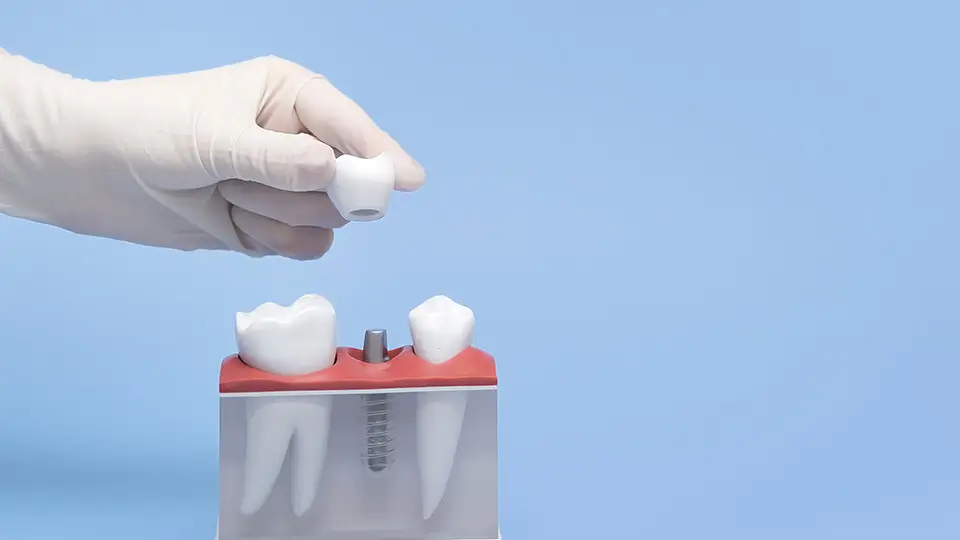
Missing teeth affect not only appearance but also chewing function and the distribution of forces on the dentition. Implants can be a suitable option for replacing lost teeth. However, they must be part of a well-thought-out, long-term treatment plan. Before implant placement, the following aspects, among others, should be evaluated:
- Condition of the gums and periodontal tissues.
- Bone supply and anatomical conditions.
- General state of health.
- Medication use and potential risk factors.
- Bite Relationships and Loading.
- Long-term cleanability and aftercare.
An implant should not be considered in isolation. What is crucial is that it can be integrated into the existing dentition functionally, biologically, and prosthetically.
Cosmetic Dentistry
A harmonious smile results from the interplay of tooth shape, tooth color, tooth alignment, gums, and facial proportions. Cosmetic dentistry can utilize techniques such as all-ceramic restorations, veneers, minimally invasive composite restorations, or orthodontic treatments.
In synoptic planning, aesthetics are not considered in isolation from function. An aesthetic restoration must also be able to withstand the mechanical stresses placed on the masticatory system.
How does a holistic and synoptic treatment work?
Comprehensive treatment does not begin with the selection of a specific crown, implant, or splint. It begins with a systematic diagnostic evaluation.
- Detailed Medical History: First, we document the patient’s specific symptoms, pre-existing conditions, medications, allergies, previous dental treatments, and personal treatment goals. Lifestyle habits such as smoking, diet, and possible signs of bruxism may also be relevant.
- Comprehensive Examination: Assessmentof the teeth, gums, oral mucosa, and—if indicated—the masticatory system. Depending on the clinical presentation, this may be supplemented by: X-ray diagnostics, periodontal assessment, and functional analysis[5], examination of the masticatory muscles and temporomandibular joints, digital scans and models, as well as photographic documentation. Not every examination is necessary for every patient—the specific clinical issue is the determining factor.
- Consolidation of All Findings: The findings are evaluated collectively. This process involves determining which conditions require priority treatment and which interventions build upon one another.
- Individualized Treatment Planning: A clear and comprehensive treatment plan is then developed. This plan takes into account medical necessities, functional considerations, aesthetic preferences, the scope of treatment, and financial considerations.
- Treatment in a Logical Order: Typically, the initial focus is on treating acute symptoms and inflammatory conditions, as well as ensuring oral health. This may be followed by functional, restorative, implant-related, and aesthetic procedures. The specific order always depends on the individual findings.
- Long-Term Follow-Up Care: Professional teeth cleaning, supportive periodontal therapy, checkups on dental prostheses and implants, and evaluation of chewing function all help to maintain treatment results over the long term.
What are the benefits of holistic and synoptic dentistry for patients?
The main advantage lies in the comprehensive assessment of each individual's situation. Rather than treating individual problems in isolation, the approach takes into account how they may be interconnected.
- Cause-oriented diagnosis: Symptoms are not viewed solely in isolation. Identifying possible causes and contributing factors can help provide a better understanding of recurring problems and enable more targeted treatment.
- Better Coordination of Different Treatments: When periodontology, tooth preservation, functional diagnostics, implantology, and prosthodontics are planned together, it is easier to avoid unnecessary treatment steps and conflicting treatment decisions.
- Long-Term Tooth Preservation: Systematic prevention and early treatment of dental diseases can help preserve natural teeth for longer and prevent tooth loss.
- Taking the Chewing Function into Account: A dental restoration should not only look good; it must also function reliably when speaking, chewing, and in everyday life.
- Personalized solutions that preserve tooth structure: Not every patient requires the same treatment. By jointly evaluating all findings, treatment options can be better compared, and unnecessarily invasive procedures can be avoided.
- Consideration of Overall Health: Pre-existing conditions, medications, and individual risk factors are taken into account in treatment planning. If necessary, we can coordinate with your primary care physician or specialists.
- Greater transparency and predictability: Structured treatment planning enables patients to better understand the individual steps of treatment, the medical rationale behind them, and the possible alternatives.
"The focus is not on individual treatments, but on a meaningful long-term overall outcome that encompasses dental health, function, aesthetics, and quality of life."
For whom is a holistic and synoptic approach to dentistry particularly beneficial?
In general, every patient can benefit from a comprehensive assessment of oral health. This approach is particularly useful in more complex cases. These include, for example:
- Patients with multiple missing teeth.
- Patients with severely worn or damaged teeth.
- People with recurrent gum inflammation or periodontitis.
- Patients with symptoms in the temporomandibular joint or the masticatory muscles.
- People with extensive dentures or multiple implants.
- Patients with extensive aesthetic treatment goals.
- People with relevant underlying medical conditions, such as diabetes.
- Patients who are seeking a comprehensive second opinion or a long-term treatment plan.
Especially in complex treatment cases, it is important not to rush into individual restorative procedures. A structured, comprehensive diagnostic evaluation can help determine the medically appropriate sequence of treatment.
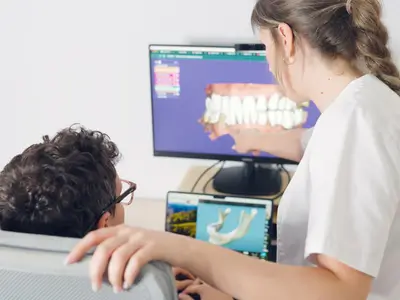
Is your situation complicated? We'll review your test results together and plan the best course of action.
Make an appointmentScientific Basis: What Has Been Proven, and What Are the Limits?
Modern, holistic dentistry should be consistently guided by scientific findings.
For example, the importance of caries prevention is well documented [3]and the systematic treatment of periodontitis[1], and the link between diabetes and periodontitis[2] as well as the importance of a differentiated diagnosis for bruxism and functional disorders[4][5].
However, not every method offered under the umbrella of “holistic dentistry” has been sufficiently studied scientifically. A critical evaluation is particularly necessary when it comes to so-called “interference fields,” nonspecific chronic symptoms, energetic testing methods, or blanket diagnoses of intolerance.
Even the removal of asymptomatic teeth or intact restorations solely on the basis of suspected systemic associations is not, as a general rule, medically justified.
Responsible, holistic dentistry combines a comprehensive approach to patient care with evidence-based diagnosis and treatment. This means being open to medical connections, but not making unfounded promises of a cure.
Conclusion: Modern dentistry looks beyond the individual tooth
Holistic and synoptic dentistry take a comprehensive approach to oral health. They combine the treatment of individual teeth with an assessment of the entire masticatory system and relevant general health factors.
This approach is particularly valuable when dealing with complex dental conditions. After all, a stable, long-term result is not achieved solely through high-quality materials or modern treatment techniques. Careful diagnosis, the correct sequence of treatments, a functionally optimized restoration, and consistent follow-up care are crucial.
Modern dentistry should therefore not only ask how a tooth can be repaired. It should also consider how the entire set of teeth can be kept healthy, functional, and aesthetically pleasing. After all, long-term dental health begins with an understanding of how all the structures interact—and with treatment that views the person as a whole.
Frequently Asked Questions About Holistic and Synoptic Dentistry
What is holistic dentistry?
Holistic dentistry views oral health in the context of the entire body. In addition to teeth and gums, it also takes into account the temporomandibular joints, masticatory muscles, systemic diseases, medications, and individual lifestyle habits.
What is synoptic dentistry?
Synoptic dentistry refers to a comprehensive treatment plan that integrates various dental specialties. The goal is a coordinated treatment approach that takes into account tooth preservation, periodontology, function, implantology, and aesthetics.
What is the difference between holistic and synoptic dentistry?
Holistic dentistry takes into account the interactions between oral health and general health. Synoptic dentistry, on the other hand, integrates the various dental findings and treatment options into a single, comprehensive treatment plan. The two approaches complement each other.
What are the benefits of holistic dental care?
Patients benefit from comprehensive diagnostics, individually tailored treatment plans, and consideration of potential causes and risk factors. This allows treatments to be better coordinated, especially in complex cases.
Can oral health affect overall health?
Yes. There is strong scientific evidence, particularly regarding the relationship between periodontitis and diabetes[2]. Links between periodontitis and cardiovascular disease have also been well studied. However, a statistical association does not automatically mean that one disease directly causes the other.
Can gum disease affect blood sugar levels?
Yes. Periodontitis and diabetes influence each other. Successful treatment of periodontitis can help improve blood sugar control in people with diabetes[2]. However, this treatment does not replace the necessary diabetes management.
What role does the temporomandibular joint play in holistic dentistry?
The temporomandibular joint is an important part of the masticatory system. It works in conjunction with the masticatory muscles and the teeth. Dysfunction can cause, among other things, pain, limited mouth opening, and discomfort while chewing. Targeted functional diagnostics can help determine appropriate treatment options.
Is CMD always the result of a malocclusion?
No. Craniomandibular disorders often have multiple contributing factors. These can include muscular, joint-related, psychosocial, and other biological factors. A supposedly maloccluded bite is not automatically the cause of the symptoms.
Is bite registration part of synoptic dentistry?
An occlusal elevation may be part of a comprehensive treatment plan if it is medically and functionally justified. It may be considered, for example, in cases of significant loss of tooth structure or certain changes in occlusal height. This requires careful diagnosis and treatment planning.
Is holistic dentistry also beneficial for dental implants?
Yes. Dental implants should not be considered in isolation. Gum health, bone availability, chewing function, systemic diseases, and individual risk factors are important considerations for the planning and long-term care of dental implant treatment.
Are materials also taken into account in holistic dental care?
Yes. The materials used, their properties, their indications, and possible individual intolerances can be taken into account when planning treatment. However, blanket statements about alleged intolerances to certain materials are not scientifically justified. The choice of material should be based on a specific medical indication.
Is holistic dentistry scientifically recognized?
Holistic dentistry is not a distinct, uniformly defined specialty with its own set of guidelines. However, many of its components are scientifically established. These include, for example, periodontology, tooth preservation, caries prevention, functional diagnostics, and consideration of systemic diseases.
Is synoptic treatment more expensive than conventional dental treatment?
There is no one-size-fits-all answer to this question. The scope depends on the individual diagnosis and the necessary procedures. Comprehensive planning can help avoid unnecessary treatments. However, it does not automatically mean lower treatment costs. Before undergoing major procedures, the individual steps and costs should be discussed transparently.
How long does holistic or synoptic dental treatment take?
That depends largely on the initial situation. A simple diagnostic examination can be completed quickly. For extensive restorative procedures involving periodontal therapy, functional pre-treatment, implants, and dental prostheses, treatment may take several months.
What examinations are part of a comprehensive dental diagnostic evaluation?
Depending on the findings, this may include a detailed medical history, an examination of the teeth and gums, an evaluation of the bite, and, if necessary, a functional diagnosis. X-rays, digital scans, or other tests may also be useful. All procedures should be medically justified.
Can holistic dentistry treat chronic conditions such as headaches or back pain?
Dental dysfunction may be associated with head, facial, or neck pain in certain patients. However, such symptoms are often multifactorial. Dental treatment is appropriate only if a corresponding causal relationship can be diagnostically established. A blanket approach to treating back pain or other chronic conditions through bite correction is not scientifically justified.
What is the most important goal of synoptic dentistry?
The goal is a treatment outcome that is stable, functional, and aesthetically pleasing in the long term. All relevant dental findings should be taken into account, and the necessary treatment steps should be coordinated in a logical manner.
Medical Note: This article is intended for general informational purposes only and is not a substitute for an individual dental examination, diagnosis, or treatment recommendation.
Guidelines & Sources (12)
The following guidelines form the scientific basis for key components of holistic and synoptic dentistry. They are not standalone guidelines for holistic or synoptic dentistry, but rather address the respective medical subfields.
- [1]S3 Guideline “Treatment of Stage IV Periodontitis”
AWMF Reg. No. 083-056 · As of: May 2026 · Valid through May 2031 · Lead organizations: DGZMK, DG PARO, and others
Guideline (PDF) · AWMF News - [2]S2k Guideline “Diabetes and Periodontitis”
AWMF Reg. No. 083-015 · As of: June 2024 · Valid through June 2029 · Lead organizations: DG PARO, DDG, DGZMK
Guideline details page · Guideline (PDF) - [3]S3 Guideline “Caries Prevention in Permanent Teeth—Basic Recommendations”
AWMF Reg. No. 083-021 · As of January 2025 · Valid through January 2030 · Lead organizations: DGZ, DGZMK
Guideline details page · AWMF News - [4]S3 Guideline “Diagnosis and Treatment of Bruxism”
AWMF Reg. No. 083-027 · As of: January 2026 · Valid through January 2031 · Lead organizations: DGFDT, DGZMK
Guideline details page - [5]S2k Guideline “Instrumental Dental Functional Analysis and Determination of Occlusal Relations”
AWMF Reg. No. 083-017 · As of: July 2022 · Valid through July 2027 · Lead organizations: DGFDT, DGZMK
Guideline (PDF) - [6]S2k Guideline “Occlusal Splints for the Treatment of Craniomandibular Dysfunctions and for Preprosthetic Therapy”
AWMF Reg. No. 083-051 · As of: February 2024 · Valid through February 2029
Guideline details page - [7]KZBV – Guidelines for Dental Practices
Federal Association of Statutory Health Insurance Dentists
kzbv.de
Additional Academic Sources
- –AWMF Guidelines Registry
register.awmf.org/ - –German Society of Dentistry and Oral and Maxillofacial Medicine (DGZMK)
www.dgzmk.de/ - –German Society of Periodontology (DG PARO)
www.dgparo.de/ - –German Society for Functional Diagnostics and Therapy (DGFDT)
www.dgfdt.de/ - –Federal Association of Statutory Health Insurance Dentists (KZBV)
www.kzbv.de/
Note on currency: The validity dates refer to the publications researched at the time of writing (October 30, 2026).
You Might Also Be Interested In

Contact & Directions
You can find us here
Address
Friedrichstraße 186,
, 10117 Berlin
U Stadtmitte (U2, U6)
U Hausvogteiplatz (U2)
Opening hours
Mon–Thu 8:00 a.m.–8:00 p.m.
Fri 8:00 a.m.–6:00 p.m.
Telephone
Acute pain outside of office hours? Dental emergency service: 030 – 89004-333 or www.kzv-berlin.de


